
Quick Summary
Core Solution: Constructing automated AP invoice matching exception workflows in Workday Financial Management to streamline three-way match validations and eliminate manual bottlenecks.
Key Fix: Establishing precise tolerance groups, conditional business process routing rules, and automated hold resolution triggers to handle price, quantity, and tax variances seamlessly.
Strategic Takeaway: Enforcing strict SOX 404 internal controls and audit-ready accounts payable governance while accelerating vendor payment cycles through enterprise automation.
Mastering Accounts Payable Control and Invoice Matching Automation in Workday
Direct Solution / Key Takeaway: When finance teams need to build ap invoice matching exception workflow workday environments, ERP functional analysts must master supplier invoice match rules, tolerance groups, and advanced business process configurations. Implementing robust workday accounts payable 3-way match variance automation requires designing conditional routing steps that troubleshoot workday ap invoice hold resolution bottlenecks, automate supplier invoice exception routing workday queues, and dispatch instant workday accounts payable match error notification alerts to the appropriate operational approvers.
In my experience auditing Enterprise ERP Financials workflows across SAP S/4HANA, NetSuite OneWorld, and Workday Financials, accounts payable (AP) automation represents one of the most critical touchpoints for corporate liquidity and internal control governance. When enterprise organizations scale, receiving thousands of vendor invoices weekly through B2B e-invoicing gateways creates immense operational friction if matching exceptions require manual intervention. A common mistake I see enterprise finance teams make is relying on rigid, global invoice tolerance settings without configuring granular exception routing business processes. This oversight results in hundreds of blocked invoices sitting in unmonitored queues, delayed vendor payments, compromised cash forecasting in Automated Treasury Management Systems, and severe audit findings during SOX 404 compliance reviews.
As an Enterprise ERP Financials Architect, Corporate Treasury IT Specialist, and FinTech Compliance Consultant, I guide corporate controllers and ERP functional analysts through the deep technical setup, match rule hierarchies, business process condition rules, notification payload structures, and audit trail generation required to automate invoice matching exceptions. This comprehensive guide outlines the exact Workday task navigation paths, match rule configurations, conditional routing steps, and compliance control validation protocols necessary to bulletproof your accounts payable operations.
The Architecture of Three-Way Matching and Tolerance Rules in Workday Financials
Before building out exception workflows, you must master how Workday’s three-way matching engine validates supplier invoices against purchase orders and goods receipts.
How Workday Evaluates Document Parity
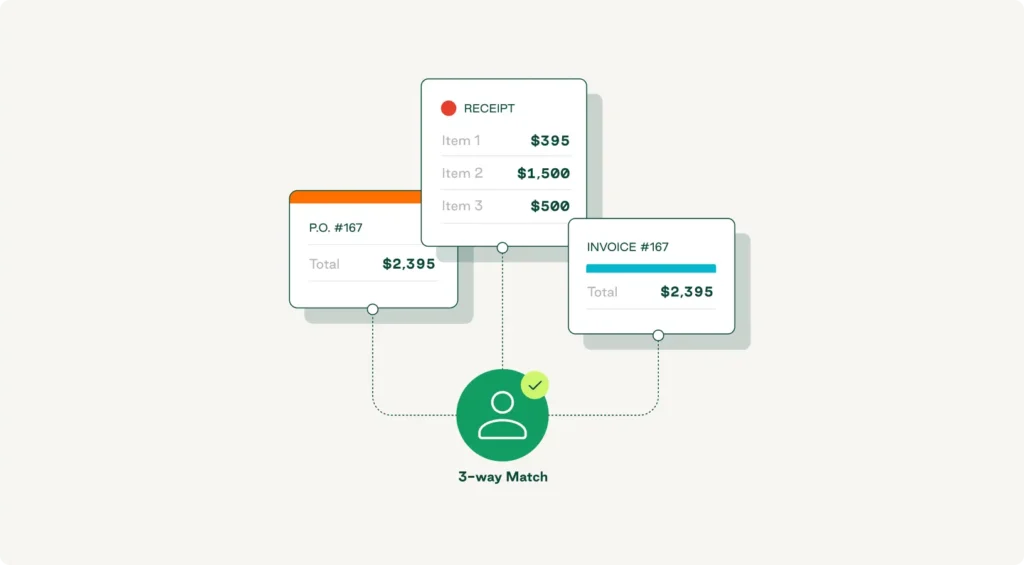
Workday Financial Management performs three-way matching by comparing data points across three distinct transactional documents:
-
Purchase Order (PO): Establishes the authorized commercial terms, ordered quantities, agreed unit prices, and accounting distribution codes.
-
Receipt / Goods Receipt (GR): Confirms physical or service delivery, documenting the exact quantities received into inventory or fixed asset ledgers.
-
Supplier Invoice: Represents the vendor’s billing demand submitted via electronic data interchange (EDI), B2B e-invoicing gateways, or manual entry.
-
The Matching Failure Point: If the invoice quantity exceeds the received quantity, or if the unit price deviates from the purchase order price beyond established threshold limits, Workday automatically places the invoice on a matching hold. Without an automated exception workflow, these holds trap working capital and require tedious manual investigation by AP specialists.
Step-by-Step Guide: How to Build an AP Invoice Matching Exception Workflow in Workday
Constructing a robust exception workflow requires coordinating match rule definitions, tolerance groups, and business process definition steps within your Workday tenant.
Step 1: Configuring Supplier Invoice Match Rules and Tolerance Groups
To define acceptable variance thresholds before Workday flags an invoice exception:
-
Log into your Workday Financial Management tenant with Accounts Payable Administrator or System Administrator security credentials.
-
Type Maintain Supplier Invoice Tolerance Groups in the global search bar and select the task.
-
Establish tiered tolerance groups based on vendor risk profiles or subsidiary operating entities. Define specific variance thresholds for unit price, total amount, quantity, and tax amounts using either absolute currency values or percentage variances.
-
Navigate to Maintain Supplier Invoice Match Rules to enable specific matching criteria, such as checking purchase order line matching, matching by item ID, or enforcing strict accounting code alignment.
Step 2: Designing the Business Process Framework for Exception Routing
Once match rules are active, you must configure the Supplier Invoice Business Process definition to handle exceptions dynamically:
-
Search for and launch the Business Process Policy task, and locate the Supplier Invoice business process definition.
-
Insert a conditional Approval or Review step immediately following the initial matching validation step.
-
Configure Condition Rules on the exception step so that the workflow routes invoices specifically when the match status evaluates to Exception or Failed Match.
-
Assign the review task to dynamic roles such as AP Supervisor, Purchasing Agent, or Cost Center Manager depending on whether the variance stems from pricing discrepancies or unreceived quantities.
Executing Workday Accounts Payable 3-Way Match Variance Automation
Managing variances programmatically requires classifying discrepancies into distinct operational buckets: price variances, quantity variances, and tax mismatches.
Handling Price and Quantity Discrepancies Automatically
When a vendor invoice arrives with a unit price higher than the purchase order, Workday’s matching engine evaluates the variance against your tolerance percentages:
-
Within Tolerance: If the variance falls below your configured threshold (e.g., under 2 percent or fifty dollars), Workday automatically approves the match variance, allowing the invoice to proceed to payment processing without human touch.
-
Outside Tolerance: If the variance breaches the threshold, the invoice is intercepted by your custom exception workflow. The system pauses payment generation and routes the record to the appropriate buyer or purchasing agent for review.
-
Resolution Pathways: The assigned reviewer can either issue a purchase order change order to match the new price, request a credit memo from the supplier via your B2B e-invoicing gateway, or override the hold with documented management approval.
How to Troubleshoot Workday AP Invoice Hold Resolution
When supplier invoices become permanently stuck on match holds, AP functional analysts must execute a structured troubleshooting sequence to clear the blockage.
Investigating Matching Hold Details in Workday
To diagnose why an invoice is failing matching validation:
-
Navigate to the blocked invoice by searching for the Supplier Invoice record in Workday.
-
Click on the Matching Status tab to view granular diagnostic messages. Workday displays exact failure reasons, such as Quantity Billed Exceeds Quantity Received or Unit Price Variance Exceeds Tolerance Limit.
-
Verify the associated Purchase Order line and Goods Receipt status. Frequently, warehouse personnel have not yet posted the receiving transaction in the system, causing a false positive match failure.
-
Once the underlying receipt or PO is corrected, use the Run Match Process utility to re-evaluate the invoice against updated document parameters, instantly clearing the hold.
Automating Supplier Invoice Exception Routing Workday and Task Approvals
Streamlining the journey of an excepted invoice requires intelligent routing that minimizes email clutter and accelerates resolution times.
Configuring Actionable Notifications and In-Tenant Worklists
-
Task Delegations: Ensure that exception review tasks land directly in the approver’s Workday inbox with clear financial context, including the PO number, vendor name, variance amount, and historical purchasing trends.
-
Escalation Rules: Set up time-based escalation rules within the business process definition. If an exception review task remains untouched in an AP specialist’s inbox for more than 48 hours, Workday automatically re-routes the task to the AP Manager to prevent payment delays.
Setting Up Workday Accounts Payable Match Error Notification Alerts
Proactive alerting ensures that treasury and finance teams maintain visibility over blocked invoices that could impact cash disbursement forecasting.
Configuring Notification Templates and Integration Event Payloads
-
Navigate to the Maintain Notification Templates task in Workday and create a custom template for matching exceptions.
-
Embed dynamic XML fields within the template to pull invoice numbers, vendor names, and total variance amounts automatically into the email body.
-
Configure event triggers that dispatch alerts to treasury managers when high-value invoices (e.g., exceeding one hundred thousand dollars) encounter matching holds.
-
Below is an optimal structural representation demonstrating how enterprise finance systems package an accounts payable exception and audit log payload for downstream reporting:
{
  "apExceptionAuditContext": {
    "auditEventId": "AP-EXC-2026-0808-99201",
    "timestamp": "2026-08-08T14:30:00Z",
    "invoiceReference": {
      "invoiceId": "INV-99201-SUPP",
      "supplierName": "Global Industrial Components Ltd",
      "invoiceAmount": 245000.00,
      "currency": "USD"
    },
    "matchingExceptionDetails": {
      "exceptionType": "PRICE_VARIANCE_EXCEEDED",
      "purchaseOrderId": "PO-883921",
      "poUnitPrice": 100.00,
      "invoiceUnitPrice": 108.50,
      "variancePercentage": 8.5,
      "assignedWorkflowStep": "AP_Manager_Review",
      "soxControlValidated": true
    }
  }
}
By structuring outbound audit payloads and automated notifications, technical solutions engineers ensure complete visibility across enterprise financial ledgers.
Enforcing SOX 404 Internal Controls and Audit Compliance in Accounts Payable
To satisfy rigorous SOX 404 internal control mandates, accounts payable workflows must incorporate strict segregation of duties (SoD) and immutable audit logging.
Securing Match Override Privileges
-
Role-Based Access Control (RBAC): Restrict the ability to manually override matching holds exclusively to Corporate Controllers and authorized AP Managers. General AP clerks should only be permitted to submit correction requests or route inquiries back to purchasing agents.
-
Audit Trail Generation: Workday automatically logs every business process step, user override, and tolerance modification in the system audit trail. Compliance engineers can generate scheduled audit reports to verify that no invoices were bypassed or paid without proper three-way matching validation.
-
Integration with Treasury Cash Management: By maintaining clean, validated AP invoice queues, your accounts payable system feeds accurate cash outflow forecasts into Automated Treasury Management Systems (such as Kyriba or Oracle Fusion Treasury), optimizing global liquidity management and short-term borrowing strategies.
Frequently Asked Questions (FAQ) for Workday AP Invoice Matching
What is the primary purpose of an AP invoice matching exception workflow in Workday?
The workflow automatically identifies discrepancies between supplier invoices, purchase orders, and goods receipts, pausing payment and routing exceptions to appropriate approvers without manual spreadsheet tracking.
How does Workday determine whether an invoice encounters a matching hold?
Workday compares invoice quantities, unit prices, and tax amounts against purchase order and receipt records using pre-configured tolerance groups and matching rule sets.
Can Workday automatically approve minor invoice price variances?
Yes. By configuring tolerance thresholds, minor variances falling below established absolute or percentage limits are automatically approved by the matching engine, reducing manual touchpoints.
How do I troubleshoot an invoice stuck on a matching hold in Workday?
Inspect the Matching Status tab on the supplier invoice record to identify specific error codes, verify that goods receipts have been posted correctly, and run the manual match process utility after correcting underlying records.
How do accounts payable exception workflows support SOX 404 compliance?
They enforce segregation of duties, restrict manual override privileges to authorized management roles, and maintain immutable audit trails of all invoice holds and resolutions for compliance reviews.

